eSign.AIeSign.AI

What is Digital Signature?

A digital signature is an electronic signing method based on cryptography and digital certificates. It verifies signer identity, confirms that a document has not been altered after signing, and provides traceable technical evidence for the signing action. Compared with a basic electronic signature, a digital signature places stronger emphasis on trusted identity, document integrity, and verifiable evidence, making it suitable for cross-border transactions, financial agreements, government procurement, pharmaceutical licensing, and other scenarios with higher compliance and legal-effect requirements.Learn more about Trusted Service Provider

A more trusted way to sign across borders

When contracts need to be executed across regions, enterprises must do more than collect a signature. They also need to match local trusted identity channels, signature levels, and evidence retention requirements so every critical document has clear proof.

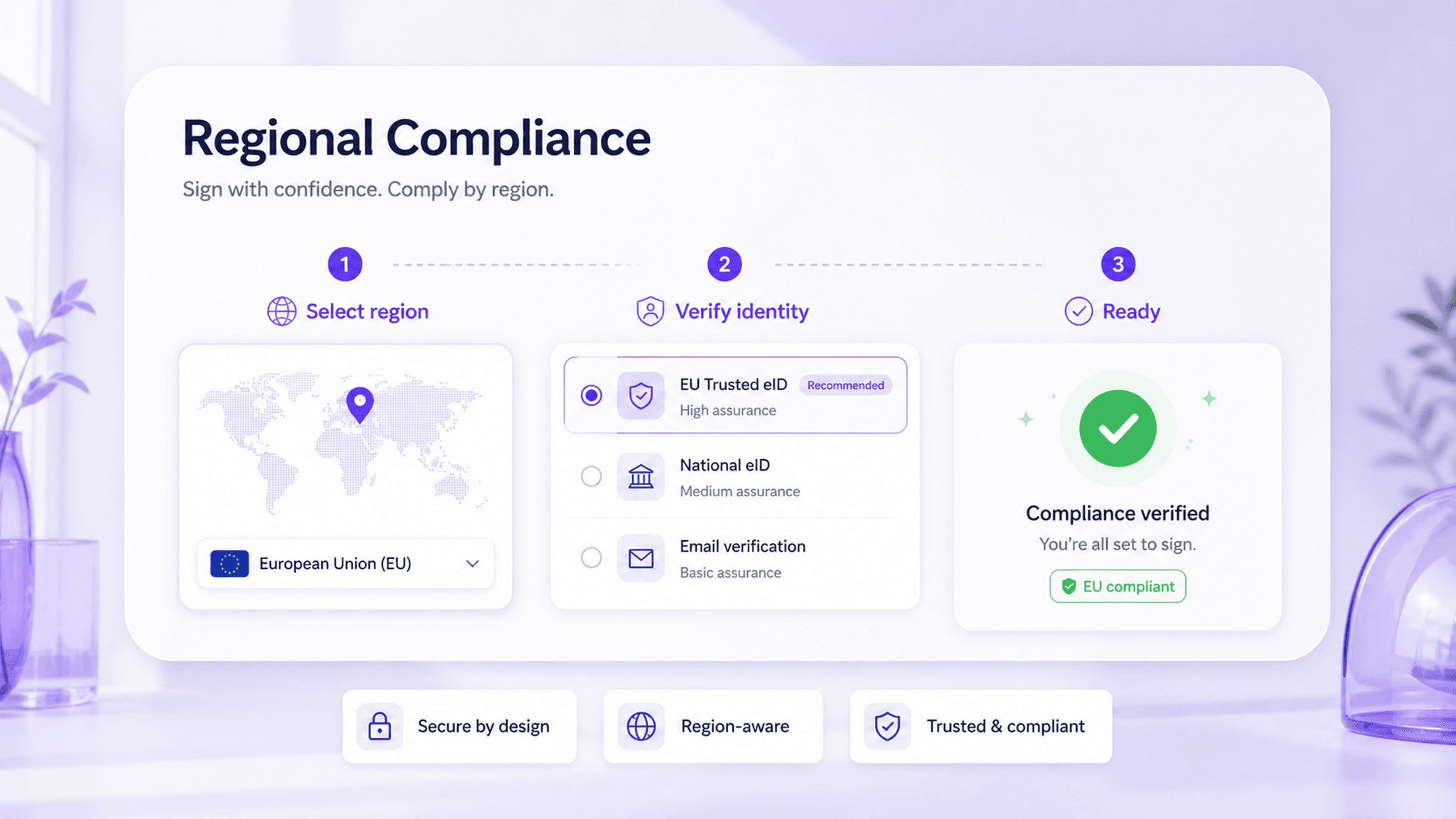
Regional compliance capability interface

Regional compliance capabilities

eSign.AI supports connections to trusted services and digital identity verification channels across Asia-Pacific and Europe, including Hong Kong iAM Smart, Vietnam VNPT, and EU eIDEasy. Enterprises can select the right verification method based on signer location and document compliance requirements, reducing uncertainty caused by inconsistent signing standards for cross-border contracts.

  • Cover APAC and European verification channels
  • Select verification methods by region
  • Reduce cross-border compliance uncertainty
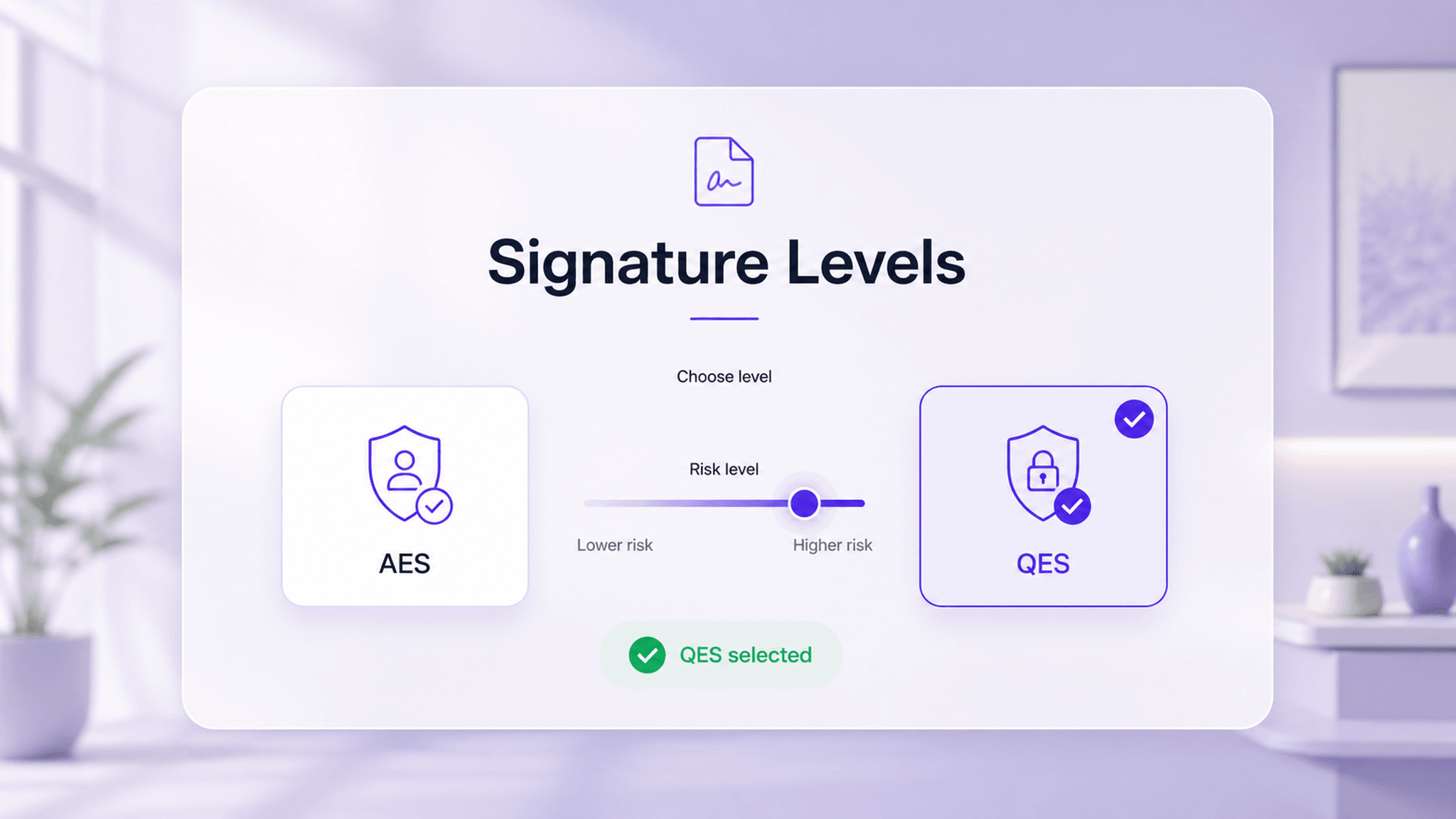
AES and QES signature level selection interface

Flexible support for AES and QES digital signatures

Different business documents have different requirements for identity confirmation and legal effect. Enterprises can configure signature levels according to contract risk. AES is suitable for common commercial agreements, procurement contracts, and service agreements, while QES is designed for finance, government, healthcare, and cross-border transactions that require stronger signing evidence.

AES signatureFor standard commercial agreements
QES signatureFor documents requiring stronger evidence
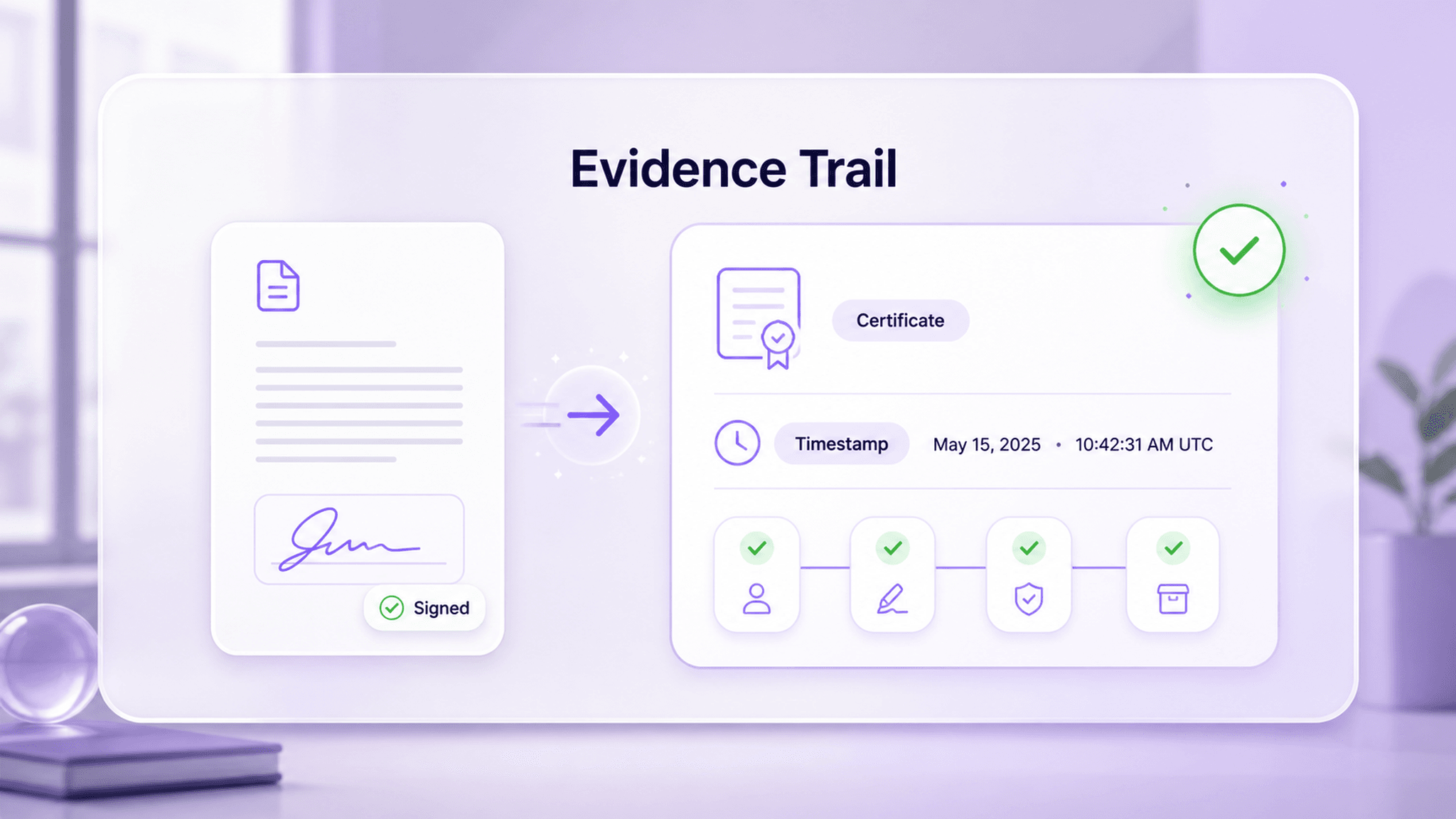
Identity verification and evidence retention interface

Identity verification and evidence retention

The platform can connect with official digital identity systems and trusted verification services in different regions to help signers complete identity verification. After signing, it retains signature certificates, timestamps, IP records, operation logs, and other key information to form an auditable electronic signing evidence package.

  • Verify signer identity
  • Retain certificates and timestamps
  • Create an auditable evidence package

Feature value

With tiered digital signatures, trusted identity verification, and complete evidence retention, enterprises can balance efficiency, trustworthiness, and legal traceability in cross-border and high-compliance signing scenarios.

Meet cross-border compliance requirements

Adapt to signing needs in multiple countries with verification channels in different regions.

Support tiered signing strategies

Choose AES or QES signature levels according to document sensitivity.

Strengthen signing trustworthiness

Use identity verification, certificates, and timestamps to reinforce signing authenticity.

Support audits and dispute handling

Retain complete signing process records for enterprise compliance management.

Typical business scenarios

In high-compliance businesses such as cross-border finance, government procurement, and pharmaceutical licensing, digital signatures help enterprises connect identity confirmation, signing operations, and evidence retention in one trusted chain.

Cross-border financial agreement signing

Pain point

Cross-border loans, credit facilities, and investment agreements often involve signing parties in multiple regions. Enterprises need to prove signer identity, signing time, and document integrity, while ordinary electronic signatures may not meet evidence requirements in high-compliance scenarios.

Solution

Select AES or QES digital signatures according to document risk level, and combine trusted service providers, identity verification, timestamps, and evidence package retention to create a verifiable signing chain.

Reduce cross-border circulationRetain signing evidence
View solution

Simple Pricing, Clear Plans

Trial

For first-time users and document recipients

Free

Start free trial

Key features:

  • Secure document storage and management
  • Fast e-signing
  • Team seal management
  • Email support

Basic

For individuals and small teams with essential e-signature needs

US$24.9/mo

Buy now

Includes all Trial features, plus:

  • Up to 100 sends per year
  • SMS-assisted workflows
  • Unlimited users
  • AI Center
Learn more

Advanced

Custom billing for complex enterprise requirements

Contact us

Contact sales

Includes all Professional features, plus:

  • Watermark settings
  • One billing account for multiple workspaces
  • Custom user roles
  • Advanced API integration
  • Priority technical support
Learn more

Digital Signature FAQs

Answers about certificate-backed signing, AES, QES, eIDAS, and audit evidence.

A digital signature is a secure form of electronic signature that uses digital certificates and cryptography to link a signer to a document. It helps prove signer identity, document integrity, and whether the file changed after signing.

See how this feature fits your business scenario

Talk with an eSign.AI consultant about your signing workflows, compliance requirements, and integration needs to get practical configuration guidance.

Contact sales